

As a supplier of double sided electric breast pumps, I often receive inquiries from parents, especially those with premature babies, about the suitability of our products. In this blog post, I aim to provide comprehensive and scientifically - based information on whether a double sided electric breast pump can be used for premature babies.
Understanding the Needs of Premature Babies
Premature babies, defined as those born before 37 weeks of gestation, have unique nutritional and developmental needs. Their digestive systems are often immature, and they may have difficulty latching onto the mother's breast to breastfeed effectively. Breast milk is the ideal source of nutrition for premature infants as it contains essential nutrients, antibodies, and growth factors that support their fragile immune systems and aid in their growth and development.
However, due to their physical limitations, premature babies may not be able to nurse directly from the breast right away. This is where breast pumps come into play. They allow mothers to express breast milk, which can then be fed to the baby through a bottle, syringe, or other feeding devices.
Advantages of Double Sided Electric Breast Pumps for Premature Babies
1. Efficiency
Double sided electric breast pumps are designed to express milk from both breasts simultaneously. This significantly reduces the time spent pumping compared to single - sided pumps. For mothers of premature babies, who may need to pump frequently to establish and maintain their milk supply, time is of the essence. With a double sided electric breast pump, they can express more milk in less time, allowing them to spend more time with their precious little ones.
For example, a mother using a single - sided pump may take 20 - 30 minutes to express milk from both breasts, while a double sided electric breast pump can achieve the same result in 10 - 15 minutes. This efficiency is crucial, especially when the baby is in the neonatal intensive care unit (NICU) and the mother has to balance pumping with visiting her baby.
2. Milk Yield
Studies have shown that double sided pumping can increase milk production. The simultaneous stimulation of both breasts mimics the natural suckling pattern of a baby feeding on both breasts at once. This increased stimulation sends a stronger signal to the mother's body to produce more milk. For premature babies, who require a consistent supply of breast milk for proper growth, a higher milk yield from double sided pumping can be a significant advantage.
3. Adjustable Settings
Most double sided electric breast pumps come with adjustable suction levels and pumping rhythms. This allows mothers to customize the pumping experience to their comfort and the baby's needs. Premature babies have very delicate mouths and throats, and the suction pressure needs to be carefully controlled. Mothers can start with a lower suction level and gradually increase it as they get used to the pumping process. The adjustable pumping rhythms also help to mimic the natural suckling pattern of a baby, which can be more effective in stimulating milk letdown.
Considerations When Using a Double Sided Electric Breast Pump for Premature Babies
1. Hygiene
Hygiene is of utmost importance when using a breast pump for a premature baby. Since their immune systems are not fully developed, they are more susceptible to infections. It is essential to thoroughly clean and sterilize all parts of the breast pump that come into contact with breast milk after each use. Most double sided electric breast pumps have detachable parts that are easy to clean, but it is still crucial to follow the manufacturer's instructions for proper cleaning and sterilization.
2. Suction Pressure
As mentioned earlier, premature babies have delicate mouths and throats. The suction pressure of the breast pump should be set at a level that is gentle enough not to cause discomfort or damage to the mother's nipples. If the suction is too strong, it can lead to nipple pain, damage, and even a decrease in milk production. Mothers should start with the lowest suction setting and gradually increase it until they find a comfortable and effective level.
3. Frequency of Pumping
Premature babies may need to be fed more frequently than full - term babies. This means that mothers may need to pump more often to maintain an adequate milk supply. A double sided electric breast pump can make frequent pumping more manageable, but it is still important for mothers to find a pumping schedule that works for them and their baby.
Our Product Offerings
We offer a range of high - quality double sided electric breast pumps that are suitable for mothers of premature babies. Our Double Electric Breast Feeding Pump is designed with adjustable suction levels and gentle pumping rhythms to ensure a comfortable and effective pumping experience. It is also easy to clean and sterilize, which is essential for maintaining proper hygiene.
Our Electric Breast Milk Pump for Baby Feeding is another popular option. It has a compact and lightweight design, making it easy to carry around, which is ideal for mothers who need to pump while visiting their baby in the NICU.
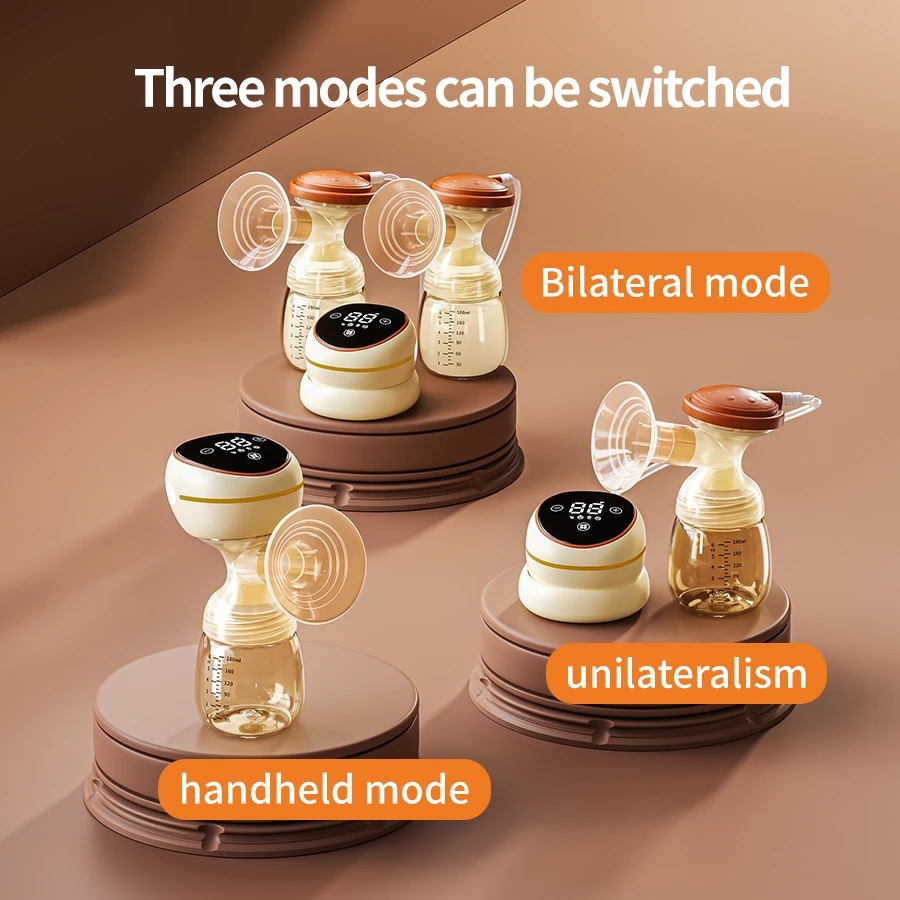

For mothers who want more freedom during pumping, our Double Electric Breast Pump Hands Free allows them to pump without having to hold the breast shields in place. This can be especially useful for mothers who want to use their hands for other tasks, such as reading to their baby or using a laptop.
Contact Us for Procurement
If you are interested in our double sided electric breast pumps for use with premature babies, we would be delighted to discuss your needs. Our team of experts can provide you with detailed information about our products, including features, prices, and after - sales support. Whether you are a hospital, a healthcare provider, or an individual mother, we can offer you the best solutions for your breast pumping needs. Please feel free to contact us to start a procurement discussion.
References
- American Academy of Pediatrics. (2012). Breastfeeding and the use of human milk. Pediatrics, 129(3), e827 - e841.
- Lawrence, R. A., & Lawrence, R. M. (2016). Breastfeeding: A Guide for the Medical Profession. Elsevier.
- Kent, J. C., Mitoulas, L. R., Cregan, M. D., & Hartmann, P. E. (2006). Simultaneous milk ejection from both breasts in women. Journal of Mammary Gland Biology and Neoplasia, 11(3), 207 - 214.